which of the following is not a physical contaminant
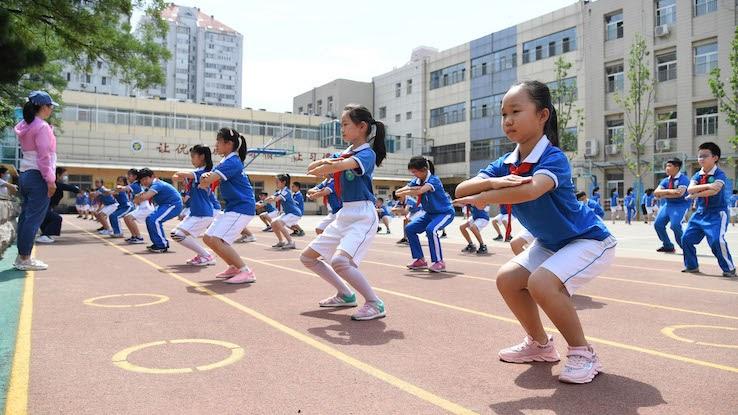
Physical activity offers many benefits for folks of all ages, but, in addition to promoting fitness, physical education crapper helper kids develop many functional skills. This is exactly why physical Education — often called P.E. — has been enforced into school curriculums the world over. So, rent's research just what P.E. is you said it it can be advantageous to everyone — not just young athletes.
What Is Physical Education?
Taught in schools as a way for students to develop physical fitness, physical education (P.E.) can also help students hone their teamwork skills and rarify their strategic thinking abilities. In classes, students much participate in team up sports, like association football and hoops, as well as more individual sports, like gymnastics.
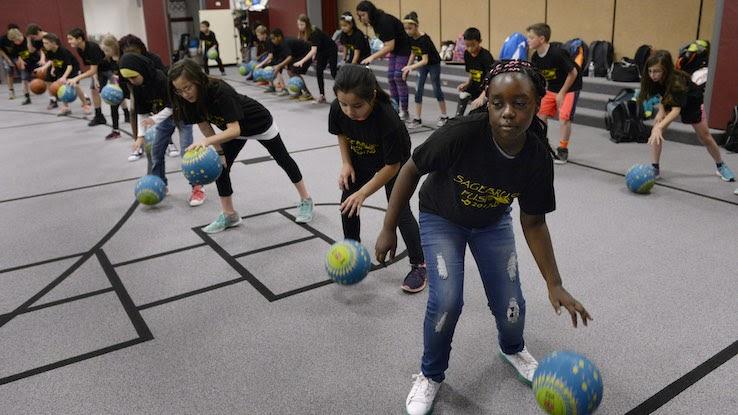
With this in mind, physical education has been a demand in schools across the world for hundreds of years. When schools crossways EC began implementing formal P.E. programs during the 1800s, American schools followed accommodate. By the early 1900s, the States passed legislation that made P.E. a required course. According to the Centers for Disease Control and Prevention (CDC), "supporting schools to establish physical education daily can provide students with the ability and confidence to be physically active for a lifetime."
According to the Political entity Kernel, Lung, and Blood Found, P.E., or some typewrite of physical natural process, typically incorporates four briny types of exercises — aerobic, muscle-strengthening, bone-strengthening, and stretching activities.
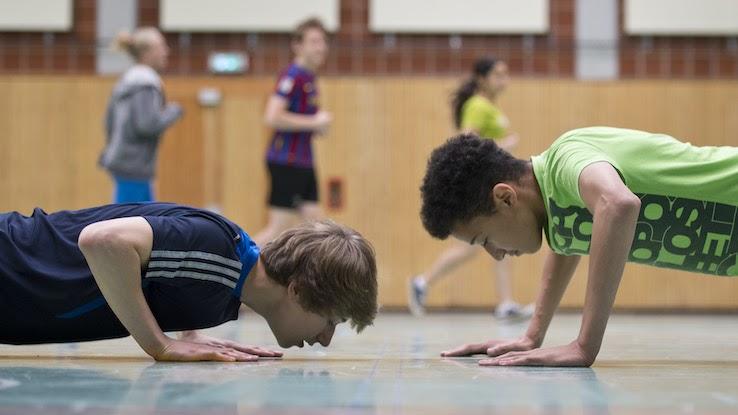
Aerobic activeness, which includes functional, jumping, and walking, benefits your heart and lungs. Looking to increase one's stamina, power, and military strength? This can be accomplished through muscle-strengthening activities, which admit pushups and situps also as through bone up-strengthening activities, which include jumping rope and lifting weights. Eventually, stretching before and after P.E. is vital when IT comes to up tractability and preventing injury.
What Are the Goals of Physical Education?
Since its formal implementation in schools, P.E. curriculum has set Forth uncommon benchmarks. A such, the four primary objectives of physical Education are better good condition; admiration of somatogenic activity; sportsmanship ontogenesis; and improved multiethnic skills.
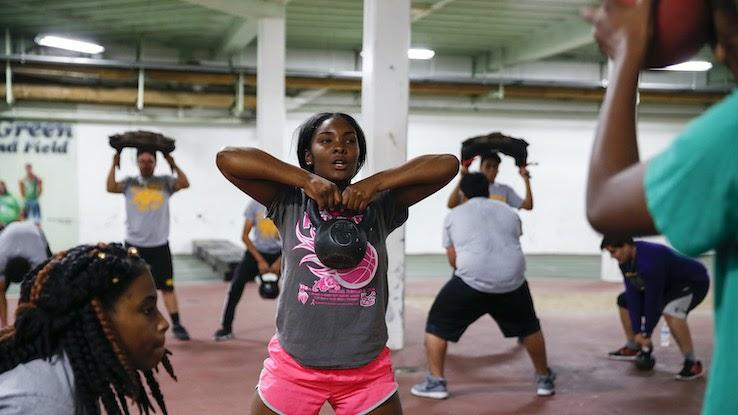
Other objectives of physical education include dead body awareness, skill development, and personality growth. Participating in P.E. helps kids explore what kinds of physical activities speak to their strengths and which might be areas for melioration. Ultimately, it's a real confidence builder when taught properly.
Corporeal Education Improves Physical Good condition and Sportsmanship Skills
More or less 14 million children and adolescents between the ages of 2 and 19 are medically corpulent. According to the Office of Disease Bar and Health Packaging, animal activity can help forestall mitigate obesity and the issues that stem from it, which include heart condition, diabetes, stroke, and high blood pressure. Children who are exposed to physical teaching regularly tend to wind more active lifestyles in general, which sets them up for maintaining these habits in adulthood too.
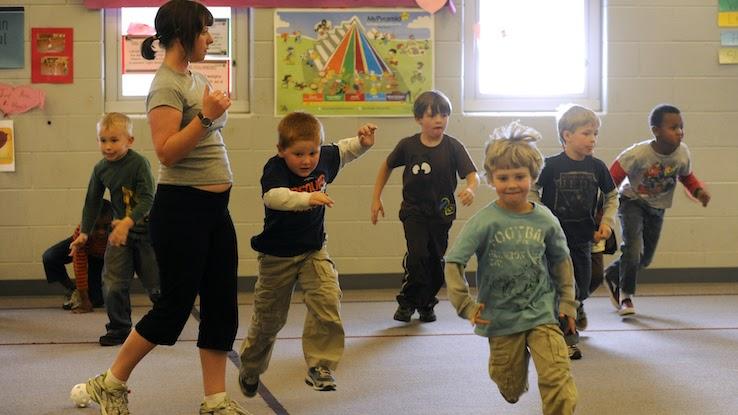
In addition to helping students move their bodies, P.E. throne avail teach sportsmanship, teamwork, and cooperation. Oft, P.E. students must work together in teams, which teaches them how to work toward a joint goal. They also learn that in games, as in life, sometimes you win and sometimes you fall back. And, no matter the outcome, IT's eminent to be a skilful cavort.
Strong-arm Education Helps With Confidence and Body Awareness
Without a doubtfulness, physical Department of Education gives students the encounter to try newfangled sports and get rising diversion pursuits. Additionally, younger children are able to develop motor skills and run connected remainder and flexibility. Developing these skills can serve build self-confidence in somatogenic ability equally recovered as an hold of the grandness of physical activity.
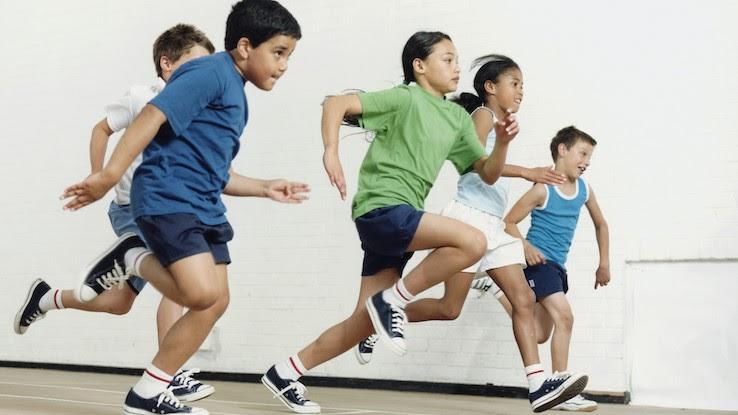
P.E. too teaches students about body awareness. This means that kids will learn what they are physically able to make and their limitations. For example, some students mightiness excel in sports that take strength, while others power have a knack for activities that exact flexibility and balance. Understanding that we all take up unique abilities is essential to healthy evolution.
Physical Education Helps Kids Develop Social Skills and Personality Traits
Socialization is a huge portion of P.E. Later on all, nothing fosters teamwork alike (gently) pushing kids out of their comfort district. In this nonprofessional setting, they'll have to take risks, just they'll too learn to communicate with others; resolve conflicts (without storming off); and learn to either principal or take way.
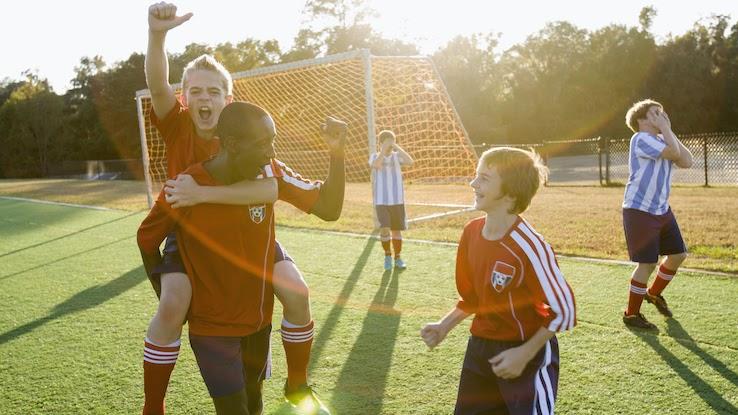
Participating in these recreational activities as wel helps improve students' enthusiasm, motivation and perseverance. That is, they'll want to help their team excel and hearten on their teammates from the sidelines. Needless to enunciat, P.E. is Thomas More than just the chance to run around and get some muscularity out. With meet a few hours of physical education a week, students can evolve beneficial habits, skills, and traits that will survive a lifetime.
which of the following is not a physical contaminant
Source: https://www.reference.com/world-view/four-objectives-physical-education-2456b29ca4935159?utm_content=params%3Ao%3D740005%26ad%3DdirN%26qo%3DserpIndex

Posting Komentar untuk "which of the following is not a physical contaminant"